
George Washington Inaugural Button (1789): Rare Early American Political Artifact & Presidential History Collectible
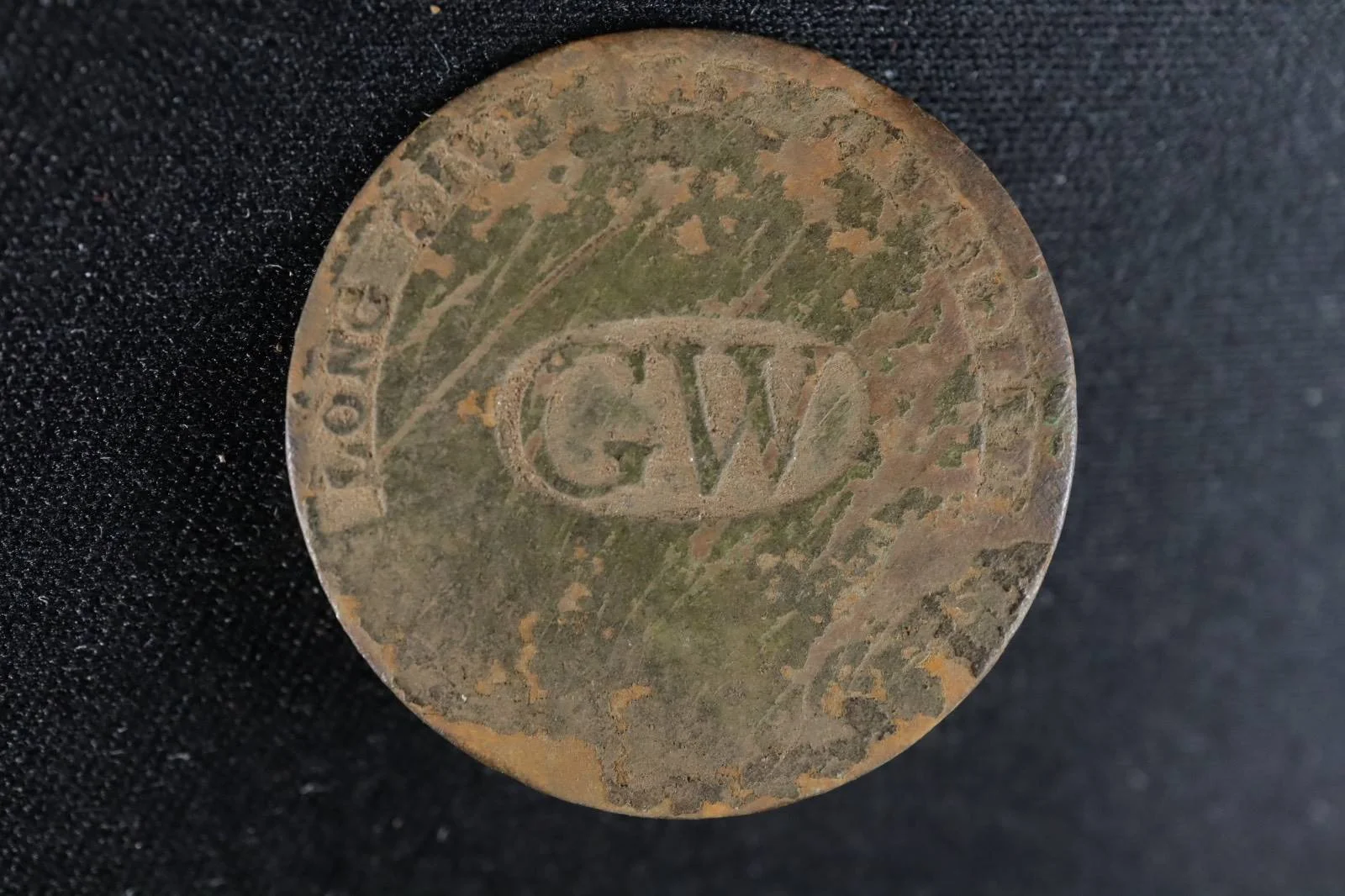
A Rare 1789 George Washington Inaugural Button Discovered in New Hampshire
At first glance, it’s easy to overlook something so small, just a modest metal button unearthed from the soil of New Hampshire by a metal detectorist. But this remarkable piece, valued between $2,000 and $6,000, is far more than a curiosity. It is an original 1789 inaugural button tied directly to George Washington and the birth of the American presidency.
For collectors of early American political memorabilia and Revolutionary-era artifacts, discoveries like this are exceptionally rare, especially when they surface from the ground after more than two centuries.
The 1789 Presidential Inauguration: The Birth of American Political Tradition
In April 1789, Washington traveled to New York City, then the temporary capital of the United States, to take the oath of office under the newly ratified United States Constitution. The ceremony took place at Federal Hall on April 30, marking the beginning of the American presidency as we know it.
As thousands gathered to witness this historic moment, Americans celebrated in a way that feels strikingly familiar today, through commemorative items. Among the earliest examples of political collectibles in U.S. history were medals, ribbons, and inaugural buttons like this one.
Early American Political Memorabilia: The Origins of Campaign Buttons
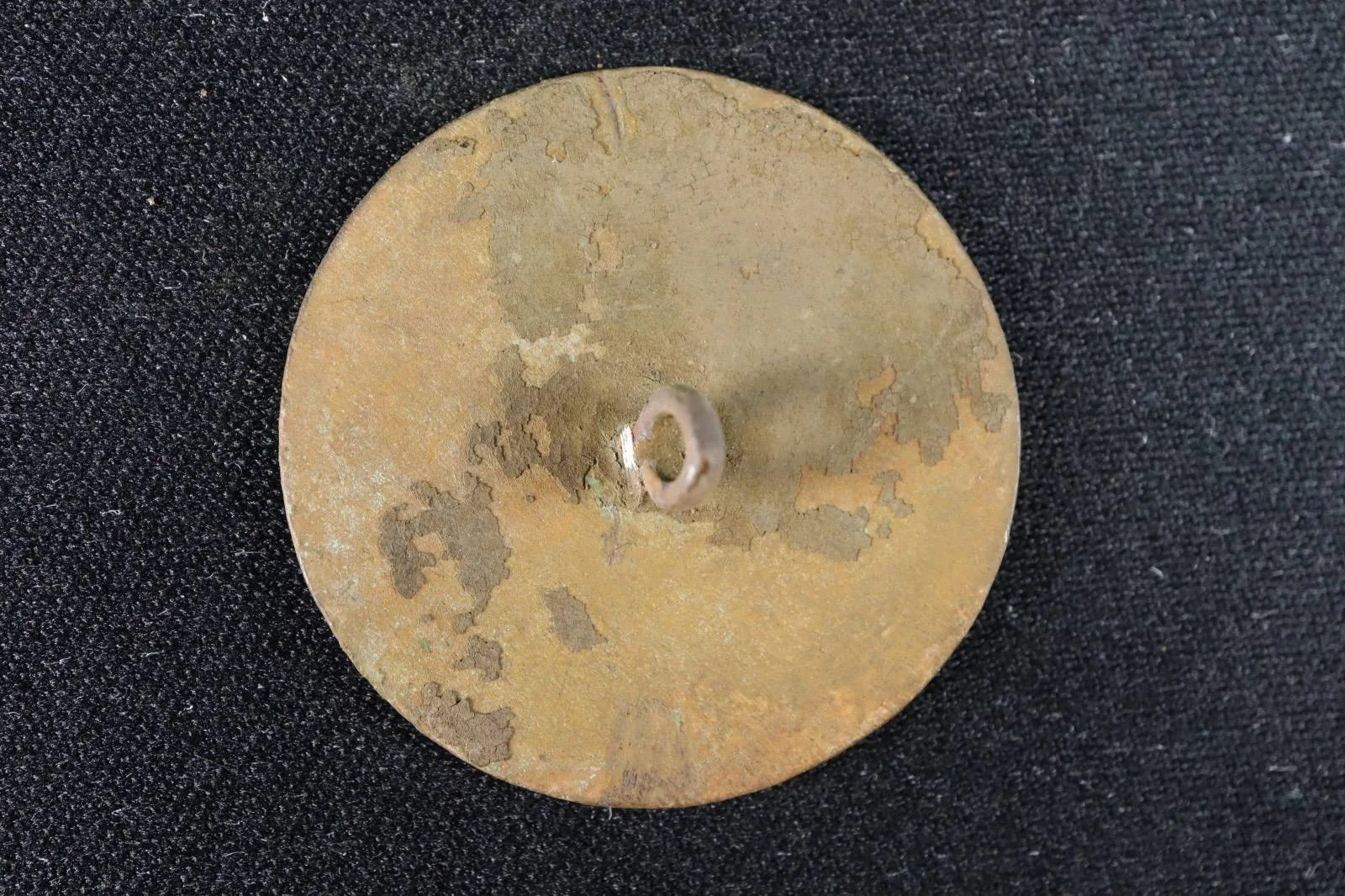
Long before modern campaign buttons and mass-produced political merchandise, these 18th-century inaugural buttons were individually crafted by skilled artisans. Typically made from brass or copper, they were stamped with patriotic designs and inscriptions, then fitted with loop shanks so they could be sewn onto a gentleman’s coat.
These pieces are widely considered some of the first examples of American political memorabilia, making them highly desirable among collectors of early U.S. history, presidential artifacts, and numismatic-adjacent items.
“Long Live the President”: Symbolism on George Washington Inaugural Buttons
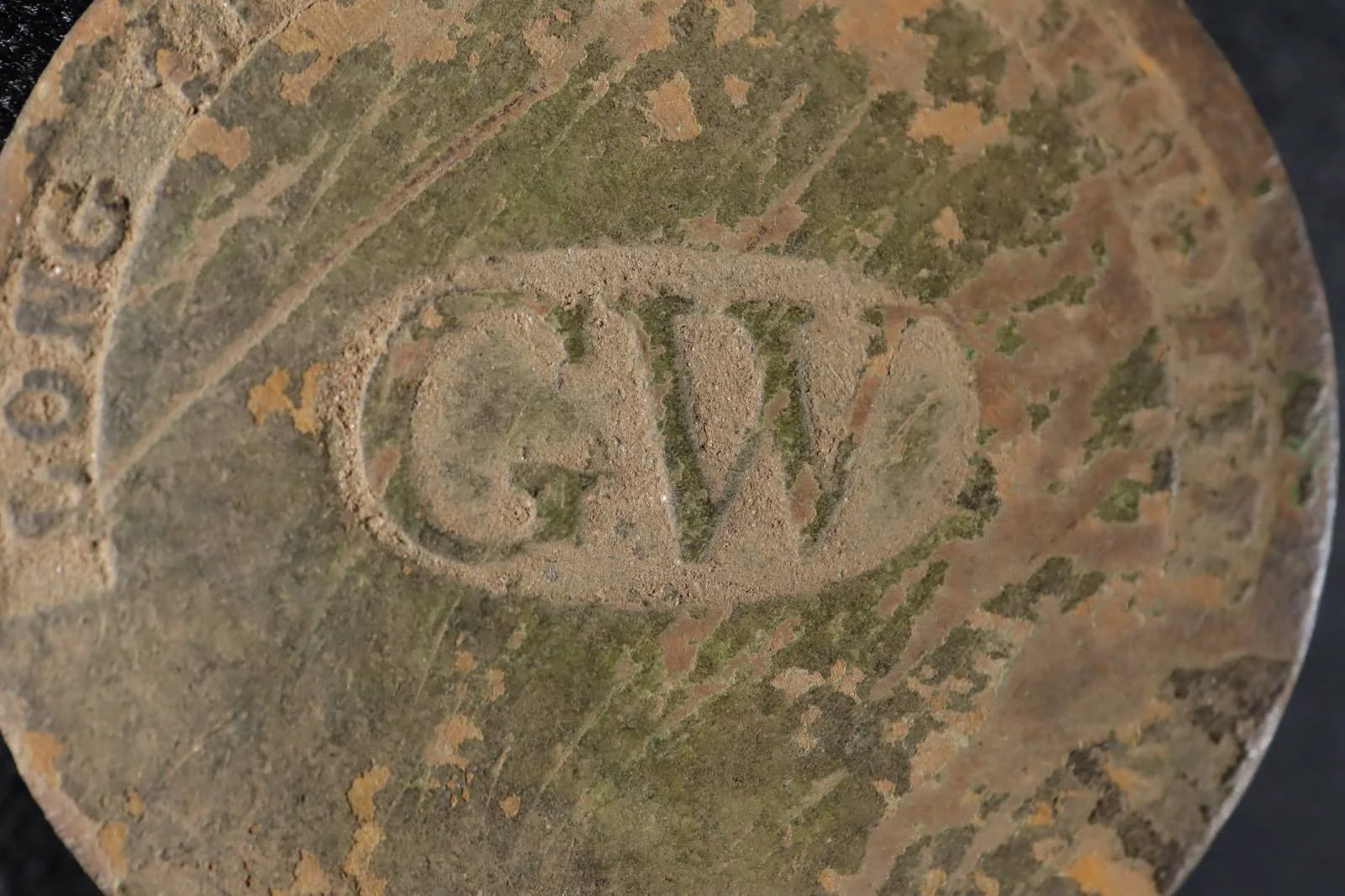
The design of this button offers a powerful glimpse into the mindset of a newly formed nation. At its center are the initials “GW,” surrounded by the phrase “Long Live the President,” a direct echo of the words proclaimed by Robert R. Livingston, who administered Washington’s oath of office.
The surrounding imagery often references the original thirteen states, symbolizing unity at a time when the concept of a centralized republic was still taking shape. Even the title “President” was debated, with some suggesting more monarchical alternatives. Washington’s rejection of titles like “His Highness” helped define the democratic identity of the nation.
Why Washington Inaugural Buttons Are So Rare and Valuable
Unlike coins or medals that were intentionally preserved, these buttons were everyday wearable items. They were used, lost, and discarded, making surviving examples exceedingly scarce.
That this particular button was recovered through metal detecting adds another layer of intrigue. Finds like this continue to fuel interest in early American artifacts and underscore how much history still lies hidden beneath our feet.
Today, authentic Washington inaugural buttons are considered cornerstone pieces in collections focused on early U.S. history and presidential memorabilia. Depending on condition and design variety, they typically sell between $2,500 and $6,000, with rarer examples commanding significantly higher prices at auction.
A Founding Era Artifact: Collecting George Washington Presidential Memorabilia
For collectors, owning a 1789 George Washington inaugural button is about more than value, it is about connection. These artifacts link directly to the founding of the United States and the moment the presidency was first established.
In an age of mass production and digital ephemera, objects like this stand apart. They are physical, enduring, and deeply human, once worn proudly by someone who stood at the edge of history as it unfolded.
Few collectibles can claim such proximity to the founding era. Fewer still can fit in the palm of your hand.